
How to Choose a Reliable Food Logistics Partner in Victoria?
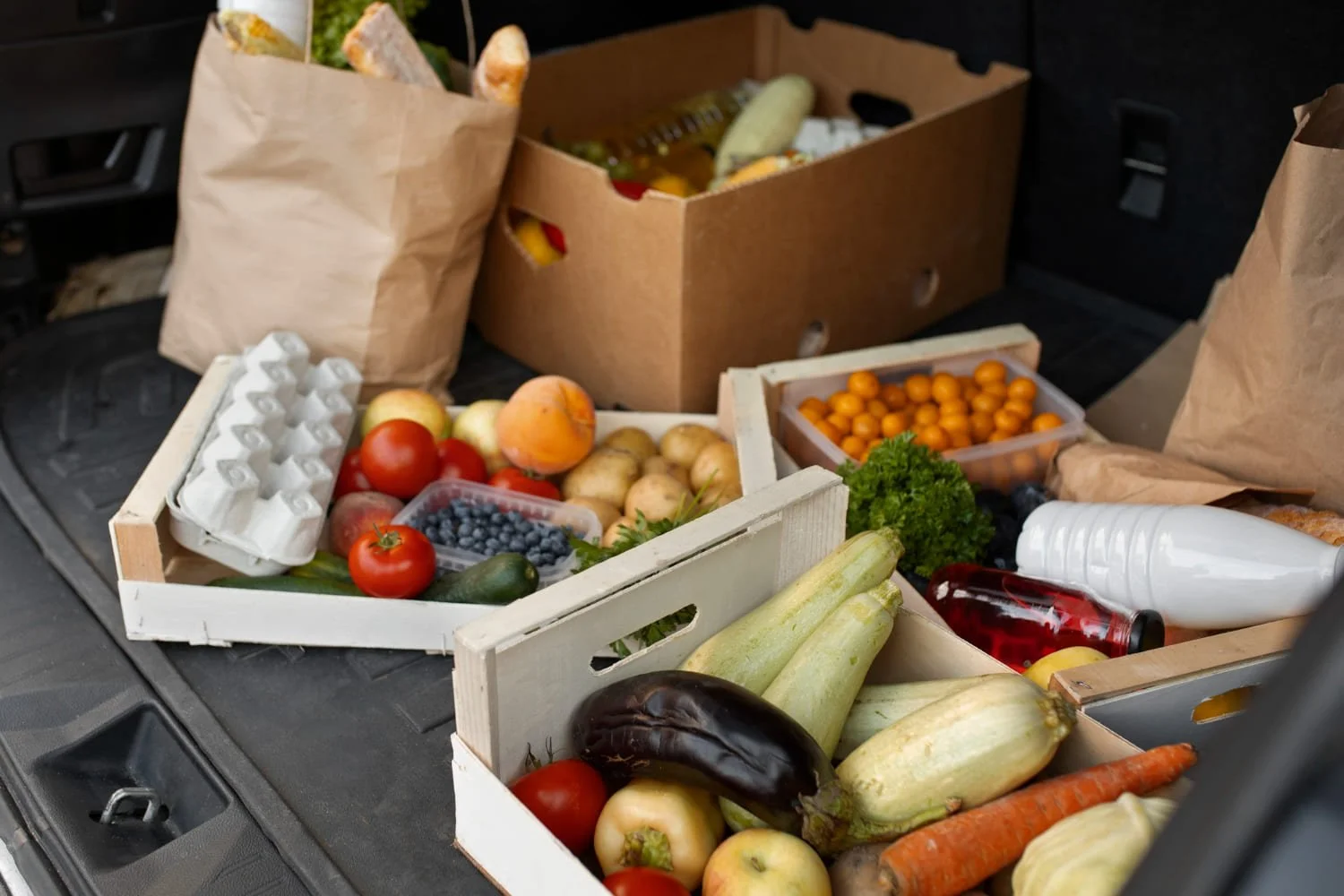
Food logistics requires far more than moving goods from one point to another. For businesses in Victoria, the right logistics partner plays a critical role in maintaining product safety, quality, and compliance with strict food handling regulations.
From temperature control to hygiene practices and certification standards, every detail matters. This article provides a clear checklist and evaluation criteria to help you choose a food logistics partner you can trust to handle sensitive and perishable products with consistency and care.
Understanding What Makes Food Logistics Different
Food logistics involves requirements that go beyond standard warehousing and transportation. Perishable goods demand strict temperature control, consistent monitoring, and careful handling to maintain quality from the moment they enter a facility until they reach the final destination. Even minor lapses in storage or transport conditions can compromise product safety and lead to costly waste or recalls.
In Victoria, food logistics is guided by regulations that ensure products remain safe and compliant throughout the supply chain. This includes maintaining approved hygiene standards, using appropriate equipment, and following protocols that prevent contamination. Traceability is also essential. Every item must be trackable at each stage, allowing businesses to verify handling conditions and respond quickly if issues arise.
Because these requirements are highly regulated and time-sensitive, not every logistics provider is equipped to manage them. A reliable food logistics partner must have proven systems, trained personnel, and certified facilities that meet Australia’s strict food safety standards. This foundation is what ensures products remain fresh, safe, and ready for distribution.
Key Qualities of a Reliable Food Logistics Partner
Choosing the right food logistics partner in Victoria requires more than reviewing pricing or capacity. Food handling demands strict processes, trained personnel, and proven systems that protect product integrity. Below are the essential qualities that indicate a provider is capable of managing sensitive food products safely and consistently.
A reliable partner should have demonstrated experience in handling perishable goods, including an understanding of cold-chain requirements, shelf-life considerations, and food safety protocols. This experience is supported by certified facilities that meet recognized standards such as HACCP, ISO, or relevant state-based food safety accreditations. Certification ensures that processes, equipment, and staff meet the rigorous expectations set by Australian food regulations.
Operational capability is just as important. Strong food logistics providers maintain temperature-controlled transport, follow documented hygiene practices, and employ trained teams who understand how to handle goods without contamination or damage.
They should also have a proven record of on-time delivery, supported by reliable scheduling, tracking, and communication. These qualities form the foundation of a logistics operation that protects both product quality and brand reputation.
Checklist for Evaluating Food Logistics Providers
Selecting a food logistics partner becomes much easier when you know what to look for. Below is a clear checklist that businesses in Victoria can use to evaluate whether a provider is equipped to handle food-grade operations safely and consistently.
|
Evaluation Area |
What to Assess |
Why It Matters |
|
Facility Hygiene & Layout |
Cleanliness, zoning, material separation |
Prevents contamination and protects product integrity |
|
Certifications & Compliance |
HACCP, ISO, FSANZ alignment, Victorian regulations |
Ensures food safety standards are consistently met |
|
Temperature Control |
Cold-chain capability, monitoring systems, alarms |
Keeps perishable goods within safe temperature ranges |
|
Equipment & Maintenance |
Condition of trucks, storage units, handling tools |
Reduces risk of breakdowns or product damage |
|
Traceability & Documentation |
Tracking systems, batch records, handling logs |
Supports product visibility, accountability, and audits |
|
Staff Training |
Food handling skills, hygiene protocols, incident procedures |
Ensures consistent and safe operational practices |
|
Risk & Contingency Planning |
Backup systems, emergency response, delay management |
Minimizes disruptions and quality issues |
|
Service Reliability & References |
Delivery accuracy, on-time performance, client feedback |
Indicates provider consistency and overall dependability |
Importance of Compliance and Certification
In food logistics, compliance is not optional. It is a fundamental requirement that protects consumers, reduces risk, and ensures your products maintain their quality throughout the supply chain. A provider that understands and meets these standards can help your business avoid costly disruptions such as spoilage, recalls, product loss, or regulatory penalties.
Certifications such as HACCP, ISO 22000, or other recognized food safety accreditations confirm that a logistics provider follows approved processes for handling, storing, and transporting food products. These certifications also require regular audits, which help maintain consistency and accountability across all operations.
For businesses operating in Victoria, compliance also means aligning with national and state-based regulations, including those from FSANZ and the Victorian Department of Health.
A compliant partner ensures documentation, traceability, temperature controls, and hygiene practices are always up to standard. Choosing a logistics provider without these safeguards exposes your business to unnecessary risks that could affect both product safety and brand reputation.
How RCL Ensures Safe and Compliant Food Logistics in Victoria?
RCL operates with a strong focus on food safety, compliance, and operational consistency. Our facilities and processes are designed to meet recognised food-grade requirements, ensuring that products are handled with care from receiving through to final distribution.
Our warehousing environments are maintained under strict hygiene standards, supported by certified processes such as HACCP and aligned with Australian food safety regulations. Temperature-controlled storage and transport options are monitored through reliable systems, allowing us to maintain product integrity throughout the cold chain.
RCL also prioritises traceability and documentation. Every movement, inspection, or handling activity is recorded using integrated systems, giving businesses full visibility and confidence in the condition of their products.
Combined with trained teams and routine quality checks, our operations help businesses meet both regulatory obligations and customer expectations for safe, consistent food delivery.
Choosing a reliable food logistics partner is one of the most important decisions for businesses that handle perishable or sensitive products. From temperature control to regulatory compliance, each aspect of the supply chain affects product safety and customer confidence.
By evaluating providers based on their certifications, operational standards, equipment quality, and ability to maintain traceability, businesses in Victoria can ensure their products are handled with the care and precision required.
A structured evaluation process not only protects product integrity but also reduces risk and strengthens long-term brand trust. With the right logistics partner, companies can focus on growth while knowing their food handling and distribution processes meet the highest standards.
If you are exploring food-grade logistics solutions in Victoria, RCL offers certified facilities, trained teams, and consistent operational processes that support safe, compliant, and reliable food distribution.