
Benefits of Partnering with a Flexible Warehouse Provider
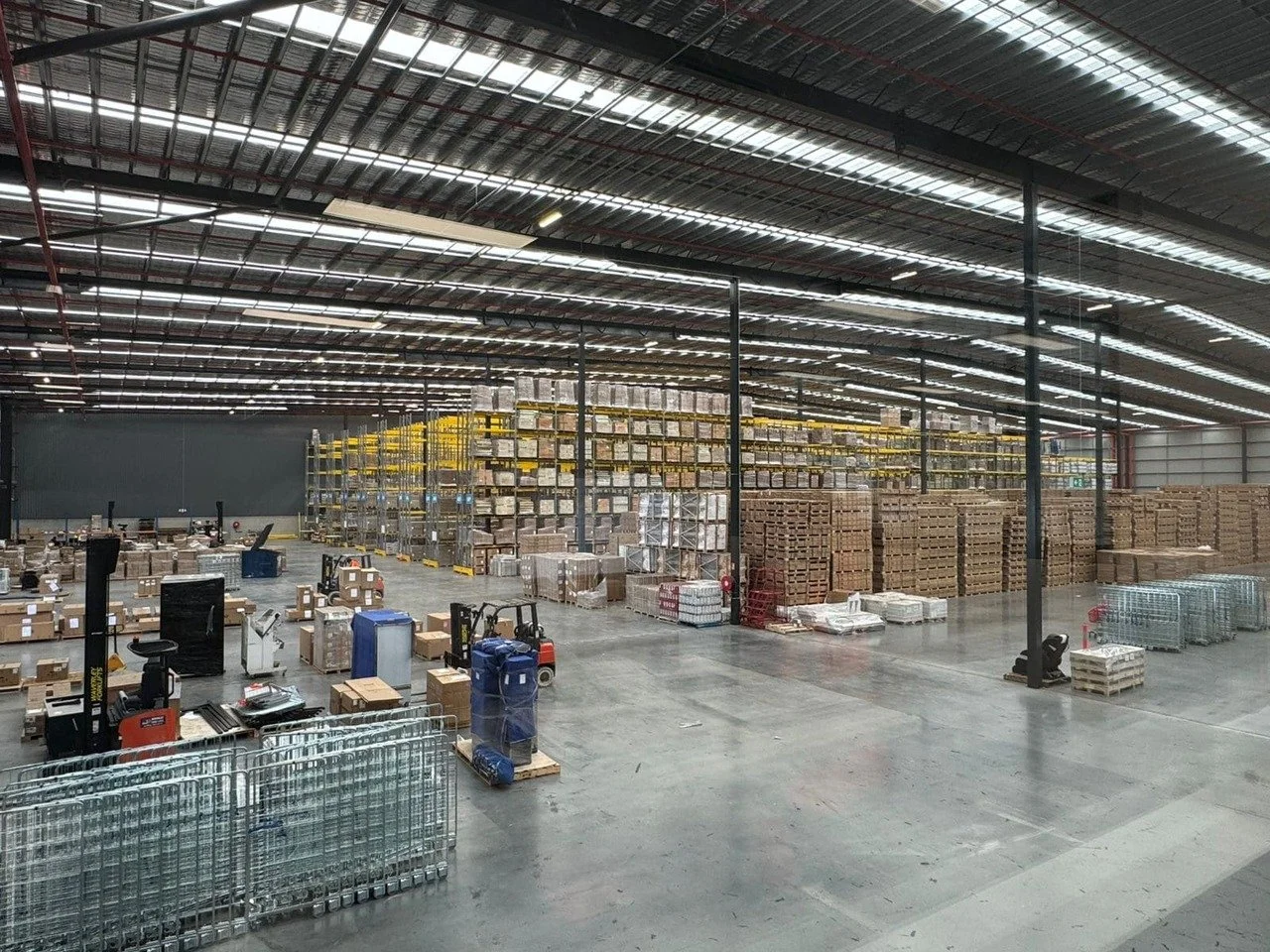
Businesses today operate in an environment where demand can shift overnight. Seasonal fluctuations, new product launches, supply chain disruptions, and rapid growth all require warehouse solutions that can adapt quickly.
Traditional fixed-capacity warehouses often struggle to keep up, leaving businesses with either too little space during peak periods or too much unused space during quieter months.
A flexible warehouse provider helps solve this problem by offering storage capacity, resources, and operational support that adjust based on your actual needs. Instead of being locked into fixed costs or rigid layouts, businesses can scale up or down with minimal disruption.
This approach gives growing companies the agility to respond to market changes, control costs, and maintain smooth day-to-day operations.
#1 Scalable Storage Capacity
One of the strongest advantages of working with a flexible warehouse provider is the ability to adjust storage space as your business changes. Instead of committing to a fixed-size facility, you gain access to capacity that expands during busy periods and contracts when demand slows.
During peak seasons, promotional campaigns, or new product launches, a flexible provider can quickly allocate additional space without requiring long-term commitments or major operational adjustments. This prevents overcrowding, delays, and costly inefficiencies inside the warehouse.
On the other hand, when sales naturally decline, you avoid paying for unused space. This protects cash flow and helps businesses keep operational costs aligned with actual activity. For companies experiencing fluctuating demand, this level of scalability offers a clear competitive advantage.
#2 Cost Efficiency and Better Cash Flow
Flexible warehousing replaces the traditional fixed-cost model with a more adaptable, usage-based approach. Instead of carrying the financial burden of a long-term lease, full-time staffing, and ongoing equipment maintenance, businesses pay only for the space and services they actually use. This shift from capital expenditure to operational expenditure can significantly improve budget planning and financial stability.
Because storage and labour adjust with demand, businesses avoid the pressure of overpaying during quiet periods. At the same time, they gain the capacity they need during busy cycles without taking on extra permanent costs. This makes flexible warehousing especially valuable for companies managing seasonal products, high-growth categories, or unpredictable sales patterns.
The result is a more balanced and predictable cost structure. With fewer fixed obligations and better cost alignment, businesses can reinvest resources into growth-focused areas such as marketing, product development, or expanding their sales channels.
#3 Faster Response to Market Changes
Market conditions can shift quickly, and businesses that respond faster often gain a meaningful advantage. Flexible warehousing supports this agility by allowing companies to adjust operations in real time. When demand surges unexpectedly, additional space and labour can be activated without lengthy onboarding processes or infrastructure changes.
This adaptability is especially valuable for businesses launching new products, expanding into new regions, or experiencing rapid growth. With flexible capacity, they can test new markets, support promotions, or manage supply chain disruptions without overcommitting to long-term assets.
During unpredictable periods, such as supply delays, production changes, or shifts in customer behaviour, a flexible warehouse provider helps maintain continuity. Instead of being restricted by fixed space or limited resources, businesses can adapt quickly, avoid bottlenecks, and keep their distribution running smoothly.
Read also: How Efficient Fulfillment Impacts Customer Satisfaction?
#4 Operational Flexibility and Value-Added Services
Flexible warehouse providers offer more than scalable space. They bring operational adaptability that helps businesses handle a wide range of product requirements, workflows, and special projects. This includes activities such as repackaging, relabelling, sorting, kitting, quality checks, and other value-added services that support day-to-day operations.
These services can be activated as needed, giving businesses the ability to respond to changing product requirements or market demands without building internal capability. For example, sudden packaging updates or promotional bundles can be managed quickly within the warehouse, reducing delays and preventing disruption to distribution timelines.
Because workflows can be adjusted based on product type, volume, or season, businesses gain the flexibility to operate efficiently even as their inventory or sales patterns evolve. This adaptability makes flexible warehousing a strong fit for companies managing diverse product ranges or running multiple sales channels.
#5 Reduced Risk and Operational Burden
Managing a warehouse in-house requires continuous attention to staffing, equipment maintenance, safety standards, and compliance. These responsibilities become even more demanding when volumes fluctuate or when unexpected issues arise.
A flexible warehouse provider helps reduce this operational burden by taking ownership of the day-to-day complexities that keep a facility running smoothly.
From hiring and training warehouse personnel to maintaining material-handling equipment and managing compliance requirements, the provider absorbs tasks that would otherwise require significant time and resources. This reduces the risk of disruptions caused by labour shortages, equipment breakdowns, or sudden changes in operational needs.
Flexible warehousing also lowers financial and operational exposure. Because capacity, labour, and services scale with demand, businesses are not tied to long-term costs or fixed resources that may go underutilised. This approach protects companies from the risks associated with overspending during quiet periods or being underprepared during peak seasons.
By relying on a provider with established infrastructure and operational expertise, businesses can focus more on product development, sales, customer service, and expansion plans, without the stress of managing unpredictable warehouse challenges.
How RCL Delivers Flexible Warehousing for Growing Businesses?
RCL provides warehousing solutions designed to support businesses with changing demands, shifting inventory cycles, and expanding distribution needs. Our facilities are built with flexible capacity in mind, allowing companies to scale storage space, labour resources, and operational support without committing to long-term fixed costs.
With a national warehousing network and established processes, RCL can adjust capacity quickly during peak periods and streamline operations when demand slows. This helps businesses manage their inventory more efficiently while keeping operational expenses aligned with actual volume.
RCL also offers adaptable workflows and value-added services such as repackaging, relabelling, sorting, and project-based rework. These capabilities allow businesses to respond more easily to packaging changes, promotional activities, or product-specific requirements. Supported by integrated warehouse systems and experienced teams, RCL helps maintain accuracy, visibility, and consistent service quality across all warehouse activities.
Our approach focuses on providing the operational flexibility and scalability that growing businesses need to move confidently through market changes and expansion stages.
If your business is expanding or facing fluctuating inventory demands, RCL can help you build a warehousing model that grows with you. Our flexible capacity, experienced teams, and integrated systems support efficient, reliable operations across Australia.