
The Challenges of Import Supply Chains During Peak Season
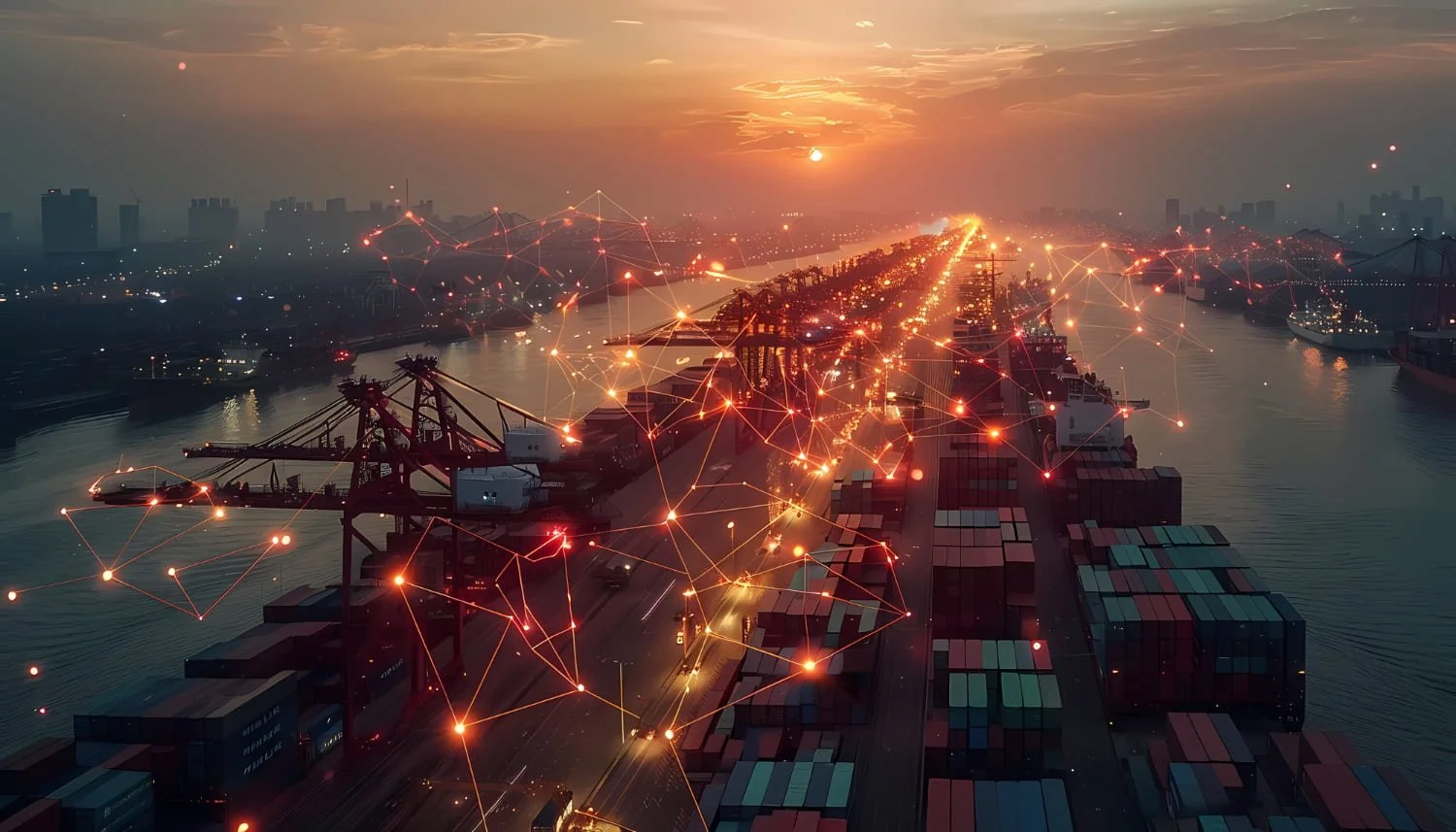
Peak season places intense pressure on global import supply chains. Higher shipping volumes, extended transit times, and increased regulatory checks create bottlenecks that can disrupt inventory flow and slow down distribution.
For businesses that rely heavily on imported goods, even minor delays can ripple through the entire operation, affecting stock availability, customer fulfilment, and overall costs. Understanding these challenges is the first step toward building a more resilient and predictable import process during high-demand periods.
Port Congestion and Vessel Delays
Port congestion is one of the most common and disruptive challenges during peak import season. As global shipment volumes surge, major ports experience significant traffic buildup that slows the movement of vessels, containers, and cargo. This congestion limits berth availability and increases waiting times for ships to unload, creating a cascading delay that affects the entire downstream supply chain.
Vessel delays don’t just postpone cargo arrival; they also impact container turnaround and equipment availability. When ports operate above capacity, unloading times increase, stacks fill up faster, and the coordination of cargo release becomes more complex.
These delays can extend by days or even weeks, especially when multiple carriers face scheduling overlaps during holiday-driven or promotional seasons.
Because importers depend on timely arrivals to replenish stock, port congestion can lead to inventory shortages, missed sales windows, and higher operational costs. Understanding how these delays form helps businesses plan around them and take steps to mitigate their impact during peak periods.
Customs Clearance Slowdowns
Customs clearance becomes significantly more challenging during peak season as authorities manage higher-than-normal volumes of incoming shipments. With more cargo arriving than usual, processing times naturally increase, and the queue for documentation checks, approvals, and inspections grows longer. Even businesses with strong compliance practices may experience delays simply due to volume congestion.
Inspection rates also tend to rise during peak periods. Customs may conduct more detailed checks to ensure compliance with import regulations, safety standards, and product declarations. Any discrepancies, even minor ones, can extend clearance of times and hold shipments at the port.
Incomplete, inaccurate, or inconsistent documentation further compounds the issue. Errors in invoices, packing lists, certificates, or product codes can trigger reprocessing, additional verification steps, or formal holds. These delays can quickly escalate into additional storage, handling, or demurrage fees if the cargo remains at the terminal for too long.
By understanding how customs slowdowns occur, importers can take proactive steps to minimize clearance risks and keep their supply chain moving smoothly during periods of high demand.
Container and Equipment Shortages
During peak import season, the global movement of containers becomes imbalanced, often resulting in shortages that disrupt scheduling and capacity planning. When demand surges in one region, containers may remain tied up for longer periods, reducing the availability of empties needed for new shipments. This creates competition for equipment, leading to delays and higher freight costs.
Slow repositioning of empty containers is one of the main contributors. Carriers may prioritize specific trade lanes or consolidate equipment in high-demand markets, leaving other routes temporarily undersupplied.
As a result, importers may face challenges of securing containers in time for their planned shipments, forcing them to adjust schedules or split orders.
Equipment constraints also extend to chassis, forklifts, and handling gear at ports or terminals. When ports operate near capacity, these resources become stretched, delaying the loading and unloading process, and slowing the release of cargo.
These shortages affect not only shipping timelines but also the overall reliability of the supply chain, especially when businesses depend on precise inventory flow during peak seasons.
Understanding this dynamic allows importers to plan more effectively, coordinate bookings earlier, and prepare contingency options to maintain continuity when equipment becomes scarce.
Storage Overflow and Capacity Constraints
As import volumes rise during peak season, storage capacity becomes one of the most pressing challenges for businesses. Warehouses and port terminals fill up quickly, especially when containers cannot be moved out at the same pace they arrive. This overflow leads to congestion not only at storage facilities but also across the entire downstream logistics chain.
When inventory accumulates faster than it can be processed, inbound operations slow down and receiving schedules become difficult to manage.
This backlog increases the likelihood of detention and demurrage fees, particularly when containers sit too long at port facilities due to limited warehouse availability. These fees add significant and often unexpected costs during the busiest periods of the year.
Within warehouses, limited space can lead to inefficient storage practices or disruptions in picking and replenishment of workflows. High-density stacking, temporary overflow zones, or the need for additional short-term storage all place strain on operations.
For FMCG and retail businesses, these constraints can delay order fulfilment, reduce inventory visibility, and increase the risk of stockouts during critical sales windows.
Recognizing the risk of storage overflow helps importers plan buffer space, coordinate earlier receiving schedules, and explore expandable storage options that can absorb seasonal fluctuations.
Transport Bottlenecks After Cargo Arrival
Even after shipments clear off the port, peak-season pressures continue across domestic transport networks. Trucking capacity tightens as demand increases, making it harder to secure timely pickups. With more importers competing for the same pool of carriers, delays become more frequent, especially for deliveries that require precise scheduling or specialized equipment.
Backlogs at terminals also slow down container movements. When ports operate at or near capacity, trucks often spend longer waiting to collect cargo. These delays reduce overall fleet productivity and create scheduling conflicts that ripple into warehouse receiving operations.
For time-sensitive inventory, such as FMCG or seasonal retail stock, these setbacks can disrupt replenishment cycles and compress already tight delivery windows.
Labor constraints add another layer of complexity. During peak periods, both transport providers and warehouse teams may struggle to keep pace with the volume of incoming cargo.
Unloading and handling delays at destination facilities can cause further congestion, preventing trucks from completing their next scheduled trip. As a result, transport bottlenecks can limit how quickly businesses can move goods from the port to their distribution centers.
Understanding these post-arrival constraints helps importers prepare more robust plans and build the flexibility needed to avoid downstream disruptions during high-demand periods.
Strategies to Mitigate Import Risks During Peak Season
Managing peak-season imports becomes far more effective when businesses structure their preparation around a few essential pillars. Instead of reacting to congestion and delays, these pillars help create a more predictable and resilient import flow.
Plan Early and Secure Capacity Ahead of Time
Peak-season congestion begins long before cargo reaches the port. Importers that lock in vessel space, equipment, and transport capacity early are less exposed to shortages or last-minute rate increases. Early planning also allows logistics teams to prepare storage, staffing, and scheduling around known arrival windows.
Strengthen Documentation Accuracy for Faster Clearance
Customs delays often stem from incomplete or inconsistent paperwork. Ensuring invoices, packing lists, certificates, and product declarations are accurate and aligned reduces the likelihood of inspections or clearance of holds. Smooth documentation flow accelerates cargo release during the busiest periods.
Prepare Overflow and Bonded Storage Options
With warehouses and terminals filling rapidly during peak season, additional storage capacity is crucial. Overflow or bonded warehousing gives importers the flexibility to move containers out of port quickly, avoid demurrage or detention, and stage goods for smoother distribution planning.
Build Flexibility into Domestic Transport Plans
After cargo arrives, trucking bottlenecks can create delays if transport plans are too rigid. Working with carriers that offer flexible scheduling, standby capacity, or extended receiving windows helps maintain flow even when port operations slow down.
Use Real-Time Visibility to Respond Faster
Visibility tools, from vessel tracking to customs status updates and warehouse dashboards, help importers identify emerging issues early. With accurate, real-time information, teams can reroute transport, adjust warehouse labor, or prioritize specific shipments before problems escalate.
Together, these pillars form a strong foundation for reducing import risks and maintaining supply chain performance during demanding seasonal periods.
How an Experienced Logistics Partner Supports Peak Import Seasons
Managing import flow during peak season requires coordination across ports, customs, warehousing, and domestic transport. An experienced logistics partner strengthens each stage with systems, resources, and expertise designed to handle higher volumes without sacrificing speed or accuracy.
A capable partner provides advance planning support, helping businesses forecast demand, secure vessel and transport capacity early, and prepare storage for incoming goods. They also maintain scalable warehousing that absorbs seasonal spikes, preventing overflow and enabling faster cargo movement out of congested terminals.
Customs coordination becomes smoother with a partner that understands compliance requirements and can help identify documentation gaps early. Integrated workflows between port handling, transport, and warehouse operations reduce delays and allow cargo to move through each stage with greater predictability.
Visibility tools play a major role as well. A strong logistics provider offers real-time tracking, clear communication, and proactive updates that help importers make informed decisions. With better insight and operational support, businesses can navigate peak-season constraints while maintaining service levels across their supply chain.
Peak season puts pressure on every part of the import supply chain. From congestion at ports and customs slowdowns to storage constraints and domestic transport bottlenecks, each challenge can disrupt inventory flow at a time when product availability is most critical. By understanding these obstacles and preparing structured strategies, importers can manage seasonal demand more effectively.
Strengthening visibility, securing capacity early, and building flexibility into storage and transport plans all play a crucial role in reducing risk. With the right support, businesses can maintain stability even when global and local supply chains are under strain.
For businesses navigating complex import cycles, especially during peak season, RCL provides the planning, visibility, and operational support needed to keep cargo moving efficiently. Our warehousing, customs coordination, and transport solutions help brands stay prepared and resilient through high-demand periods.